

How To Use Hypnosis Scripts

Clinical Hypnotherapist Jon Rhodes
Clinical Hypnotherapist
Jon Rhodes

How To Use Hypnosis ScriptsWant to know how to use hypnosis scripts? Read on…

Hypnosis scripts are a written transcription of what a hypnotherapist says during therapy. Hypnosis scripts detail everything that needs to be said, just like a script for a play.

Hypnosis scripts are useful for showing hypnotherapists how to treat more ailments and deal with more problems. A hypnosis script also gives a therapist a valuable insight into how other therapists deal with issues.

Scripts can also be used by people who are keen on self hypnosis. Although they can’t read out the script at the same time as hypnotising themselves (because their eyes are usually closed), they can gain valuable insight into what strategies to use for certain therapies.

Different people use hypnosis scripts in different ways. Some will read them verbatim. Some will follow them but change them to suit the patient and their own style of delivery. Others will simply use them to get a general gist of how to treat a certain problem but use their own words.

There is no right or wrong. A well written hypnosis script should be able to cater for most patients and most therapists.

Hypnosis scripts should normally be read in a slow, calm, and clear way. The subconscious mind is not great at processing words, so a slow pace is good. Actors like Morgan Freeman often talk with a slow hypnotic voice that can mesmerise the audience. If you listen to his narration in movies such as ‘The Shawshank Redemption’, this will give you an idea of the pace and feeling they need to be read at. You can also gain more of an understanding by listening to other therapists hypnosis audio sessions.

A hypnosis script should be read with confidence and conviction. They must be read with some passion. If they are read with disinterest, the subject will pick up on this, and the therapy will not work.

You must believe in the script you are reading. If the subjects gets a hint that you do not believe it will work, then they are unlikely to believe in the therapy. If you believe in the script, then so will the patient, and the therapy will work.

Clinical hypnosis scripts are useful for the beginning hypnotherapist who wants to learn how to treat more problems. They are also useful for experienced therapists to expand their ‘therapeutic tool bag‘. The best hypnotherapists are always on the look out to expand their knowledge base. A good hypnosis script book can be a very valuable asset to most hypnotherapists.

Now you know how to use hypnosis scripts, this is one place you can find them…

CLICK HERE For Details Of My Ultimate Self Hypnosis Script Book!

self hypnosis script book

Facts About Weight Loss

Facts About Weight Loss

Facts About Weight Loss

Facts About Weight Loss…

In order to lose weight, it’s good to have as much knowledge as possible about weight loss.

Here’s some weight loss facts to help you better understand how to lose weight…

64% of the United States adult population is considered overweight. This percentage has increased over the last four decades. Excess weight has reached epidemic proportions globally, with more than 1 billion adults being overweight. Increases have been observed across all age groups.

CLICK HERE To Check Out My Gastric Band Hypnotherapy Pack

Being overweight is generally caused by eating more calories than are expended. Factors which contribute include…

  • Limited physical exercise and sedentary lifestyle.
  • Overeating.
  • Poor nutrition.
  • Genetic predisposition.
  • Hormonal imbalances (e.g. hypothyroidism).
  • Metabolic disorders, which could be caused by repeated attempts to lose weight by weight cycling.
  • Eating disorders (such as binge eating).
  • Alcoholism.
  • Stress.
  • Insufficient or poor-quality sleep.

Hypnosis can be used to treat all the above problems. This has the knock on effect of permanent weight loss.

Weight loss can decrease your likelihood of developing diseases such as diabetes, heart disease, high blood pressure, stroke, osteoarthritis, and certain types of cancer.

Clinical Hypnotherapist Jon Rhodes
Clinical Hypnotherapist
Jon Rhodes

Weight loss occurs when you are in a state of negative energy balance. When your body is spending more energy in work and heat than it’s gaining from food. It then uses stored reserves of fat or muscle.

Although weight loss may involve loss of fat, muscle or fluid, weight loss for the purposes of maintaining health should aim to lose fat while conserving muscle and fluid.

Being overweight has been identified as a cause of cancer, and is projected to overtake smoking as the primary cause in developed countries, as cases of cancer linked to smoking dwindle.

Psychological well-being is also at risk in overweight people. Discrimination is common socially and legally. This may affect their ability to find a partner or obtain employment.

Despite the widespread availability of nutritional information, it is evident that overeating remains a substantial problem. From 1971-2000, obesity rates in the United States increased from 14.5% to 30.9%. During the same time period, an increase occurred in the average amount of calories consumed.

For women, the average increase was 335 calories per day (1542 calories in 1971 to 1877 calories in 2004). For men the average increase was 168 calories per day (2450 calories in 1971 and 2618 calories in 2004). Most of these extra calories came from an increase in carbohydrate consumption rather than an increase in fat.

The primary sources of these extra carbohydrates are sweetened drinks. This accounts for almost 25 percent of daily calories in young adults. Dietary trends have changed with reliance on energy-dense fast-food meals tripling between 1977 and 1995.  Calorie intake from fast food quadrupling over this period.

In the early 1980s in the US, regulations were lifted that limited the advertising of sweets and fast food to children. The advertisements of these products directed at children has increased. Bad habits are instilled at a young age, making them harder to shake.

Agricultural policy and techniques in the United States and Europe have led to lower food prices. In the United States, subsidisation of corn, soy, wheat, and rice through the U.S. farm bill has made the main sources of processed food relatively cheap compared to fruits and vegetables.

There is a common misconception that obese people eat little and gain weight due to a low metabolism. There is no scientific support for this idea. What has been found is that obese people under report how much food they actually consume.

A crash diet is where a person wilfully restricts themselves of all nourishment (except water) for more than 12 hours. The desired result is to burn fat for energy with the goal of losing weight quickly. Crash dieting is not the same as flexible intermittent fasting, where dieters fast for 2 days each week and calories are cycled. Generally the weight lost in a crash diet returns when normal eating resumes.

It is healthier and more successful in the long run to make small permanent changes to your lifestyle. It could be cutting sugar in coffee, stopping drinking fizzy drinks or walking to the local shops instead of driving. Hypnosis can help you make these permanent changes which helps permanent weight loss.

When reading facts about weight loss, it is clear that to lose weight, you MUST make some lifestyle changes. By continuing to live the same way, you won’t lose weight. As the saying goes, “Do the same things, and expect the same results”.

gastric band hypnotherapy MP3

UPDATE! We’ve been getting loads of feedback about massive permanent weight loss with our Gastric Band Hypnotherapy Session. Here’s a few examples bellow…

CLICK HERE To Check Out My Gastric Band Hypnotherapy Pack

Please CLICK HERE To Check Out My Gastric Band Hypnotherapy Pack

Hypnosis and Sleep – How Hypnosis Helps You Sleep

How Hypnosis Helps You Sleep

How Hypnosis Helps You Sleep

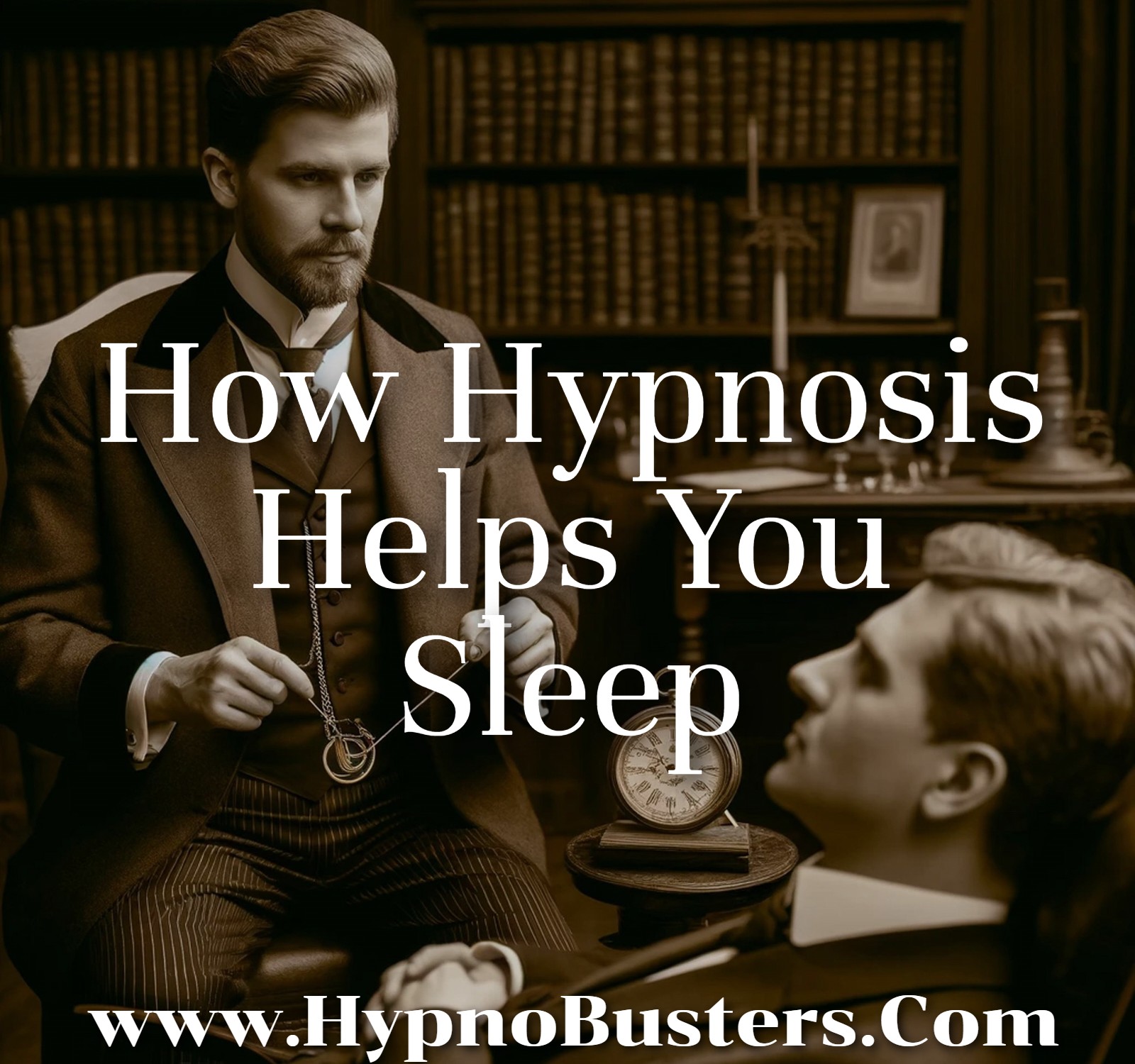
Here’s why hypnosis is great for helping you sleep…

There is little doubt there is a correlation between hypnosis and sleep. Anyone who has been in hypnosis knows how similar it feels to being in the early stages of sleep.

Clinical Hypnotherapist Jon Rhodes
Clinical Hypnotherapist
Jon Rhodes

Regulating Sleep

Once you reach adulthood you need seven to eight hours of sleep a night. Any less and you feel tired, find it hard to concentrate, struggle to make decisions and increase your risk of depression. More than seven to eight hours of sleep can also cause problems, leaving you lethargic.

There are two main types of sleep, Non-REM and REM.

Non-REM: The brain is quiet and peaceful. Your body repairs itself and hormones are released into the bloodstream, preparing for the day ahead. There are four stages to Non-REM sleep.

1. Pre-sleep – The muscles relax, body temperature drops and the heart beat slows.
2. Light-sleep – Still easily awoken without feelings of confusion.
3. Slow wave sleep – Blood pressure begins to fall.
4. Deep slow wave sleep – Very hard to wake up, will awaken confused and groggy.

REM: Makes up for a fifth of sleep time. During the REM stage of sleep the brain becomes active, body very relaxed and the eyes move around quickly. This is the sleep stage in which dreams become more vivid and easier to remember.

Over the course of a night you switch between Non-REM and REM sleep around five times a night.

How Hypnosis Helps Where Pills Fail

Sleeping pills do little to cure the problem, only mask it. People often report feeling groggy after taking sleeping pills, and they can be highly addictive.

This is not a problem with hypnotherapy. Hypnosis is a natural alternative that results in deep sleep with no side effects or addictions.

The way hypnosis and sleep works is simple. The hypnotherapist helps the patient relax. This allows their conscious mind become quiet, and is the perfect state for the beginning stages of sleep. While the conscious mind is relaxed, the hypnotist then makes suggestions such as, “your eyes feel heavy”, “your mind and body are totally relaxed”. Once this is achieved sleep will follow.

Sleep Hypnosis MP3


Want a relaxing and peaceful deep sleep? I can program your subconscious mind to help you get to sleep and stay asleep, with my deep sleep hypnosis MP3…

CLICK HERE for details of my Super Sleep hypnosis audio session

The History of Hypnosis

The History of Hypnosis

The History of HypnosisIt’s good to appreciate the history of hypnosis if you want to increase your understanding. Here is a brief run through the history of hypnosis as we know it today…

Western scientists first became involved in hypnosis around 1770, when Dr. Franz Mesmer (1734-1815), a physician from Austria, started investigating an effect he called “animal magnetism” or “mesmerism”.

Please CLICK HERE For My Collection Of Hypnosis Sessions

Clinical Hypnotherapist Jon Rhodes
Clinical Hypnotherapist
Jon Rhodes

Mesmer found that, after opening a patient’s vein and letting the patient bleed for a while, passing magnets over the wound would make the bleeding stop. He also discovered that using a stick would also make the bleeding stop. Mesmer managed to occasionally complete cures that other medical professionals of his era were not able to.

An Indo-Portuguese priest, Abbé Faria, revived public attention to animal magnetism. In the early 19th century, Abbé Faria introduced oriental hypnosis to Paris. Unlike Mesmer, Faria claimed that it ‘generated from within the mind’ by the power of expectancy and cooperation of the patient.

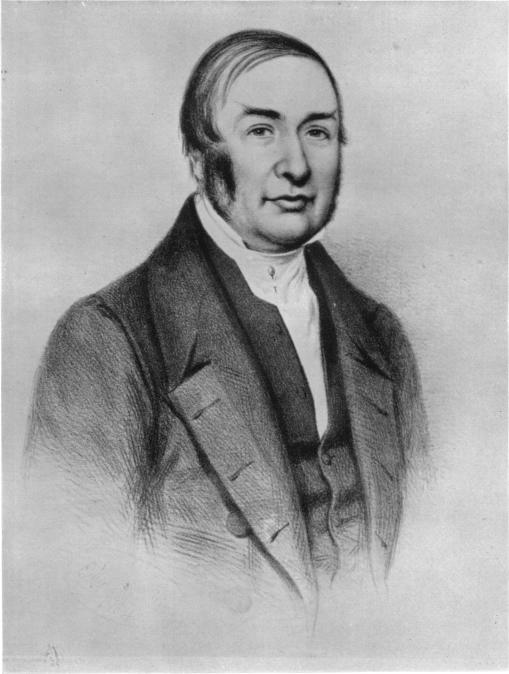
The evolution of Mesmer’s ideas and practices led the Scottish neurosurgeon James Braid in 1842 to coin the term “hypnosis.” Realizing that “hypnosis” was not a kind of sleep, he sought to change the name to “monoideaism” (“single-idea-ism”), but the term “hypnosis” had by now stuck.

James Briad The “Father Of Modern Hypnotism”

Popularly called the “Father of Modern Hypnotism,” Braid rejected Mesmer’s idea that hypnosis was induced by magnetism, and ascribed the “mesmeric trance” to a physiological process resulting from prolonged attention to a bright moving object or similar object of fixation. He reasoned that “protracted ocular fixation” fatigued certain parts of the brain and caused a trance—a “nervous sleep” or, from the Greek, “neuro-hypnosis.”

 Please CLICK HERE To Check Out My BIG Collection Of Hypnosis Scripts

Braid tried hypnotism to treat various psychological and physical disorders. He had little success. Other physicians claimed better results, particularly using hypnosis for pain control. An 1842 report described a painless amputation performed on a hypnotized patient. This was widely dismissed, and there was strong resistance in the medical profession to the idea of hypnosis; but there followed other reports of success.

Braid is credited with writing the first book on hypnosis, Neurypnology (1843).

Dr. James Esdaile (1805-1859) reported on 345 major operations performed using mesmeric sleep as the sole anaesthetic in British India. The development of chemical anaesthetics soon saw the replacement of hypnotism in this role.

The neurologist Jean-Martin Charcot (1825-1893) endorsed hypnotism for the treatment of hysteria. La méthode numérique (“The numerical method”) led to a number of systematic experimental examinations of hypnosis in France, Germany, and Switzerland. The process of post-hypnotic suggestion was first described in this period. Extraordinary improvements in sensory acuity and memory were reported under hypnosis.

From the 1880s the examination of hypnosis passed from surgical doctors to mental health professionals. Charcot had led the way and his study was continued by his student, Pierre Janet. Janet described the theory of dissociation, the splitting of mental aspects under hypnosis so skills and memory could be made inaccessible or recovered. Janet provoked interest in the unconscious and laid the framework for reintegration therapy for dissociated personalities.

In the early 1900’s, the interest in hypnosis seemed to wane, until the Second World War. Field hospitals often ran short of the drugs needed to treat wounded soldiers. Under often appalling conditions, a small group of clinicians of hypnosis were able to provide pain relief and alleviation of suffering of severely injured patients.

In 1956Pope Pius XII gave his approval of hypnosis. He stated that the use of hypnosis by health care professionals for diagnosis and treatment is permitted.

In 1955 the British Medical Association set up an inquiry which favourably reported hypnosis as a therapeutic tool. It even recommended that it should be taught at medical schools. Hypnosis was approved by the Council of Mental Health of the American Medical Association in September of 1958 as a safe practice with no harmful side effects. Since then there has been acceleration in the establishment of hypnosis societies for doctors, dentists, and psychologists.

The Internet Has Contributed To The Recent Explosion Of Hypnosis

The internet has encouraged the current surge in hypnosis. Many hypnotherapists are better able to share information with the wider public, and there are many inexpensive options of online hypnosis, or pre recorded sessions.

People benefit, not only from the cheaper costs, but also from the convenience of being able to enjoy hypnosis whenever they want. This improvement in the accessibility of hypnosis is set to continue with the growth of communication and technology.

Now you know the history of hypnosis. If you would like to learn more… Please CLICK HERE For My BIG Collection Of Hypnosis Sessions

How To Achieve Your Goals By Taking Action

How To Achieve Your Goals

How To Achieve Your Goals By Taking ActionHow To Achieve Your Goals By Taking Action…

There has been a shift in the self improvement movement thanks to books such as “The Secret” by Rhonda Byrne. This shift is the thinking that positive thinking and visualization are all it takes to get whatever you want – law of attraction. While this does have merit, thoughts without actions get nothing done.

If you were stuck in a burning building would you rather have a group of people outside visualizing the flames dying down, or a team of fire fighters working hard to put out the fire?

If there are goals in your life you wish to achieve, you need to take action. That’s how to achieve your goals. You also need to set yourself “real” goals.

(Want to reprogram your mind for success? CLICK HERE  to check out my Take Action Hypnosis MP3)

A real goal is…

  • something you desire – Many people fail to achieve their goals because they’re not their goals. While it is important to do right by your family and friends, don’t try to become a doctor when you really want to be an architect just because your father desires it.
  • realistic – No matter how hard I work out in the gym I will never look like Arnold Schwarzenegger in his hay day. I don’t have the genetics for it. Setting that kind of goal is pointless as it is unachievable and it would probably put me off going to the gym. However I could set a goal of getting six pack abs in two months or add ten lbs to my bench press every month for a year.
  • measurable – Your goals should be precise and measurable. Quitting nail biting completely in three months is measurable, you know whether you’ve bit your nails or not. Setting the goal to become more fit is hard to measure as there are different kinds of fitness. You could become stronger but slower, or faster but weaker – and then it’s tough to say whether you are fitter or not. However if you set the goal that you want to be able to run a mile in five minutes within six months. That is easy to measure.
  • set to a deadline – A deadline pushes you to keep working towards achieving your goal everyday as it makes time a valuable commodity. Let’s take a look at one of the above examples of getting a six pack in two months. For someone with my waist size that is a realistic goal but it means I will have to stick to a program rigidly everyday to achieve it. The deadline of two months makes sure I focus on the goal. If I gave myself a deadline of two years then I’d probably never seriously start working on the goal. Similarly if I gave myself two weeks then I wouldn’t achieve my goal in that time period, and  give up altogether.

Here’s a list of what I would consider to be real goals.

  • I will lose 20lbs in a year and keep it off.
  • I will write a movie script in the next six months.
  • I will learn two new songs on the piano this month.
  • I will read at least one educational book every single month.
  • I will start an online business which makes at least $5,000 a month within the next five years.

Some of these goals are quite small. However that doesn’t make achieving the goal meaningless. It still shows discipline and dedication to stick to any goal and when you achieve it you should feel a great sense of accomplishment. That is certainly worth your time and effort.

Other goals are bigger. From personal experience starting an online business can be tough. There is a lot of research, work and development to be done. There is also a lot to learn and plenty of competition. For goals such as this it is important to break down the goal into smaller goals and develop a strategy of how you are going to achieve this goal.

Let’s keep looking at the goal of creating an online business that makes at least $5,000 a month within five years. That gives you sixty months before you need to be making a little over $165 a day. Already just by breaking down the numbers down it looks more manageable.

For goals such as this you should create a guide for yourself in terms of what you want to do each month and where you want to be in terms of achieving your goal. In the first month you might focus purely on research – deciding what your online business will be selling or providing, what the market for it is like, what keywords you will be targeting, finding the best deals for web hosting, choosing whether to run your site on Content Management System such as WordPress or plain HTML and choosing a domain name. That is more than enough work for one month, especially if you have a full time job or a family to look after.

In the second month you might then focus on having your website designed, whether you do it yourself, hire someone or choose to use a free template. Depending on the option you choose this could itself take a month.

An empty website will attract no visitors though so will then need content for your website which could be the focus of month three. You might decide to write one piece of content or article everyday for this month until your website is full of high quality content that people will want to read.

Finally you need to make people aware of your website. There are a number of ways to do this including writing articles for other websites in exchange for promotion, paying for advertisements on search engines, social networking and so on. Of course you will also need to update your website with fresh content to keep people coming back. So your target for month four and beyond might be to spend at least three hours a day promoting your website and writing a new piece of content for it once a week. This could in fact be your goal for a number of months once you’ve got your website up and running.

At this point you might notice we are four months into this project and so far I haven’t even mentioned any money coming in. That’s because, in all likelihood, you probably won’t have any money coming in – and if you do it will be negligible. This is a long term goal that requires patience and dedication. Think of it this way, you’ve just spent four months building a foundation but if you give up now you’ll never have a house.

Eventually numbers of visitors and the money coming in will start to become more worthwhile. This is when you can start to set yourself targets of how much money you want to make each month. If you’ve spent twelve months on your business and you’re making $200 a month profit then you only have to increase your profits by $100 a month for the next forty-eight months on average until you hit that $5,000 a month target.

When You’re Weary

Whenever you set yourself a long term goal there will be periods where things don’t get as planned or things aren’t moving as quickly as you expected and you feel like giving up. It is all too easy to get stuck in a rut and repeat actions over and over that are getting you nowhere. When this happens the best thing to do is to step away from the goal for a few days. Allow your batteries to recharge and then come back to the goal. Ask yourself if perhaps you need to change your angle of attack.

Most of the time a short break and a change of tactics is enough to rejuvenate your desire to achieve a goal. However if this doesn’t work there are a couple of other techniques you can employ.

The first is to create an enemy or rival in your mind. If you’re starting an online business then your enemy could be a competing website. If you’re trying to lose a certain amount of weight then your rival could be someone who goes to the same gym as you – you don’t even have to know them. The idea behind creating an enemy or rival is to motivate you to work harder and smarter than they are, because that is the only way to surpass them.

The second one is to literally look at yourself in the mirror and ask yourself if you want to quit now after all the hard work you’ve done.

It is incredibly hard to quit on yourself.

By Jake Rhodes

takeaction


Want some help taking action?

Click here for details of how I can reprogram your subconscious mind to help you be more motivated to work towards your goals – Take Action Hypnosis MP3.